Fusion Games: Blending Strategy and Immersive Play Worlds
- The hybrid between MMORPG and RTS gameplay offers deep player engagement and lasting appeal.
- Combination of fast decision making with strategic thinking brings fresh dynamics to gaming experiences.
- New design paradigms open opportunities in competitive online gaming arenas across global audiences.
For years game developers have sought ways to create deeper, longer-playing content. The newest frontier? Blending Real-Time Strategy (RTS) mechanics into Massive Multiplayer Online Role Playing Gaming environments. What happens when you throw **delta force what vm works** level complexity into a live server battle?
Players don’t just farm skills or collect loot now — They must adapt tactics dynamically, reacting to world-wide opponent maneuvers while developing long-term campaign objectives in persistent universes.
| Gaming Hybrid Feature | Pure MMO | Mixed Strategy RPGs |
|---|---|---|
| Battle pacing | Turn-based | Real-time (dynamic combat) |
| User roles | Solo missions dominate | Collaborative tactics needed [strategic teamwork] |
| Economy systems | Reward based progression | Resource competition + strategy adaptation |
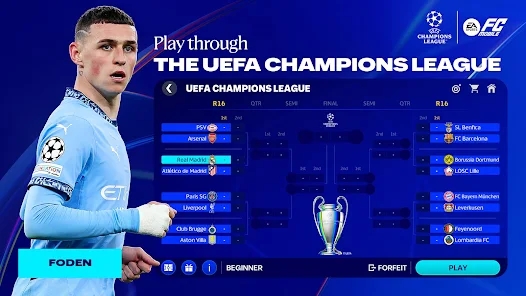
This evolution comes as titles such EA Sports FC begin expanding multiplayer components through dynamic online co-op play modes — introducing real-world constraints and time-sensitive tactical adjustments into their latest download editions. Though still not pure hybrid designs, the trend toward fluid, live decision-making clearly grows among modern releases aimed at retaining gamer attention beyond the first few weeks after launch.
New Challenges For Game Designers
- Increased retention through diverse play style adaptations
- Richer economic simulation inside closed-loop digital ecologies
- Creative use of limited resource models to control pace of warfare advancement
The Road To Complex Systems Mastery
To fully leverage this gameplay fusion’s potential requires new thinking on backend infrastructure as much as UI/UX flows. Titles trying to merge these two very distinct gaming paradigms face enormous challenges maintaining smooth performance, consistent state data replication for thousands simultenous participants, while avoiding “grind bloat" which turns players away from games that feel artificialy padded out to hit arbitrary hour benchmarks
- Hacks and exploitation risks grow with added layering in game economies
- Maintenance cycles lengthens as patches need testing across wider interaction variables
- Talent gaps widen — teams require both seasoned RPG designers + experienced RTS engine architects
A major concern relates to the actual deployment platforms – even something seemingly unrelated like choosing **what VM works efficiently enough for delta force sandbox servers**, can determine how smoothly large battalions synchronize actions during peak online periods without noticeable input delay disrupting tactical cohesion mid-battle. Not all cloud providers optimize latency-sensitive applications uniformly despite comparable specs advertised across hosting packages.
Player Base Adaptations Over Years
*Based off survey responses gathered over 2025 Q1 across leading western & Asian gaming studios’ databases. Does not include unannounced titles still in early access phases.| Type Of Gamer Segment | Loyalty In Pure MMO Model | Predicted Retention With Tactical Layers |
| Newcomers | 7 - 8 months active | up by 22% |
| Veterans | <4 months drop off period observed | stayed above >9mos average if engaged via command structures |
| Casual Gamers | High attrition in skill-based progression worlds | Improved completion rates in mixed difficulty loops where real-timed strategy elements were introduced gradually |
What Makes These Fusions Unique Today
- Dynanic economy simuations tied into territory capture algorithms in open-world maps
- In-game guild command interfaces supporting hierarchical planning layers mirroring military doctrines
- Tactial build switching within matches allows adapting fighting styles during same play session – adding unpredictability factors that keep competitive metas fresher longer
Innovation Is Not Linear – But Trend Lines Point Clear Directions
As gaming continues evolving across mobile, PC and VR mediums simultaneously, we see more ambitious experiments emerging around **real-time strategy integration into MMORPG** architectures. Whether you call it ‘live warfare storytelling’ or ‘immersive tactical role playing’, its core lies creating spaces where individual action impacts vast living ecosystems beyond single-player experiences.If you’re developer weighing future projects, ask yourself whether building another conventional RPG still captures attention in 2031? Or should creative resources focus instead on pushing interactive systems towards unpredictable, reactive states where player decisions shape unfolding narrative paths — instead of scripted chains of quests? Because somewhere inside the question “does DeltaForce really run okay on $X VPS" there lies an answer predicting tomorrow’s blockbuster genres hiding right at fringes of experimental tech stack choices we make sometimes blindly, hoping our code scales properly past 200k users threshold... but rarely checking until launch day disasters happen.