
Unleashing Imagination: How Creative RPG Games Transform Storytelling and Gameplay
In the world of gaming, RPG (Role-Playing Games) have carved out a significant niche, blending engaging narratives with interactive gameplay. With their imaginative settings and creative frameworks, these games have transformed how stories are told and experienced. But how exactly do creative RPG games, including popular titles, redefine our understanding of storytelling? Let’s take a deep dive into this phenomenon.
The Evolution of RPGs
RPGs have a rich history, evolving from simple text-based adventures to complex worlds filled with intricate plots and character development. Early RPGs like Dungeons & Dragons laid the groundwork for countless video games. The core element has always been the player's ability to immerse themselves into a character's role, making decisions that shape the narrative. The thrill of choice is what sets RPGs apart from other genres.
Creative Games: Fostering Imagination
What defines a creative game? It’s more than just innovative graphics or mechanics. It’s about providing players with the tools to express themselves within the game world. Creative RPGs allow players to shape their experiences based on their unique choices, resulting in truly personalized narratives.
Key Features of Creative RPGs
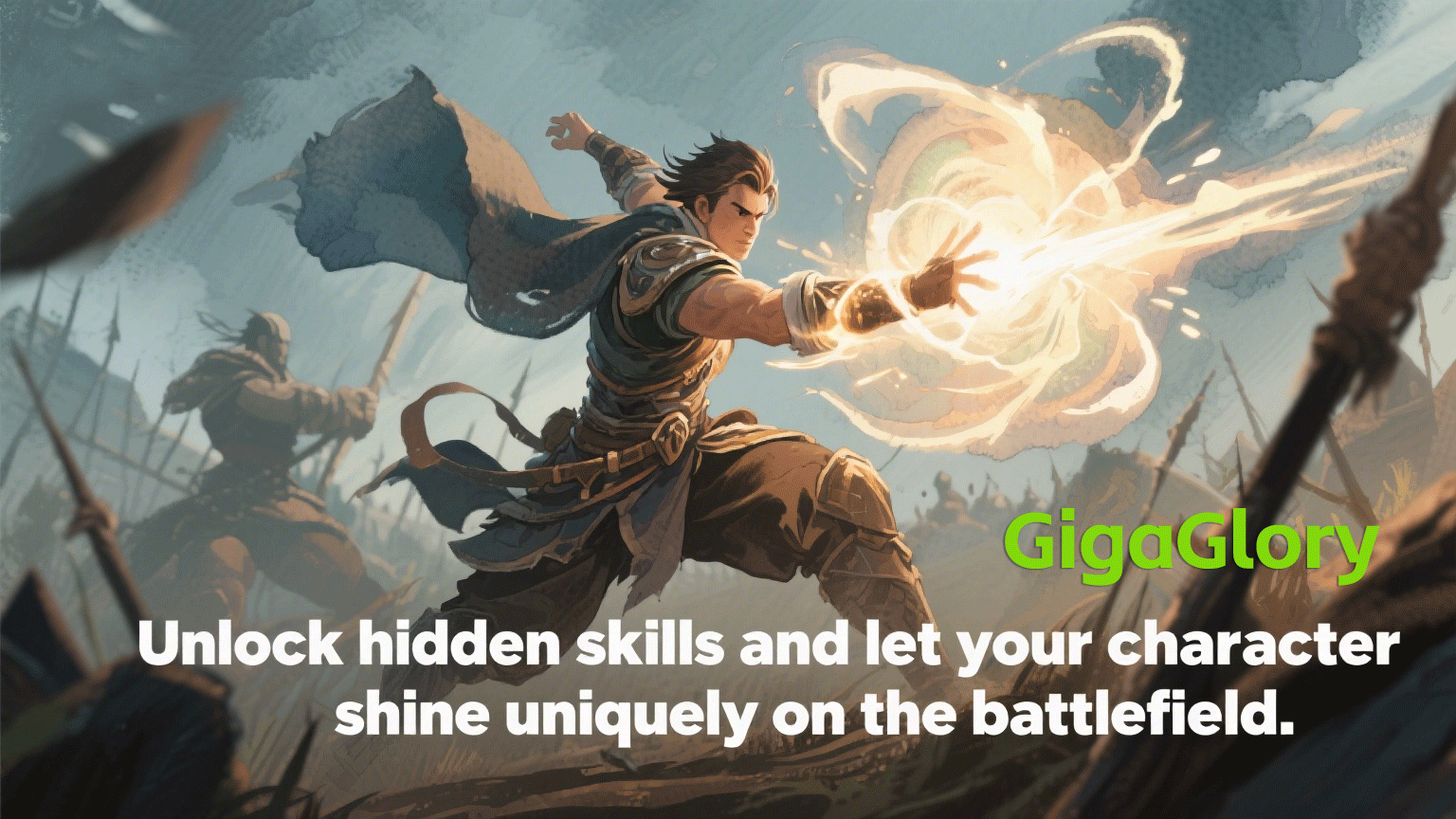
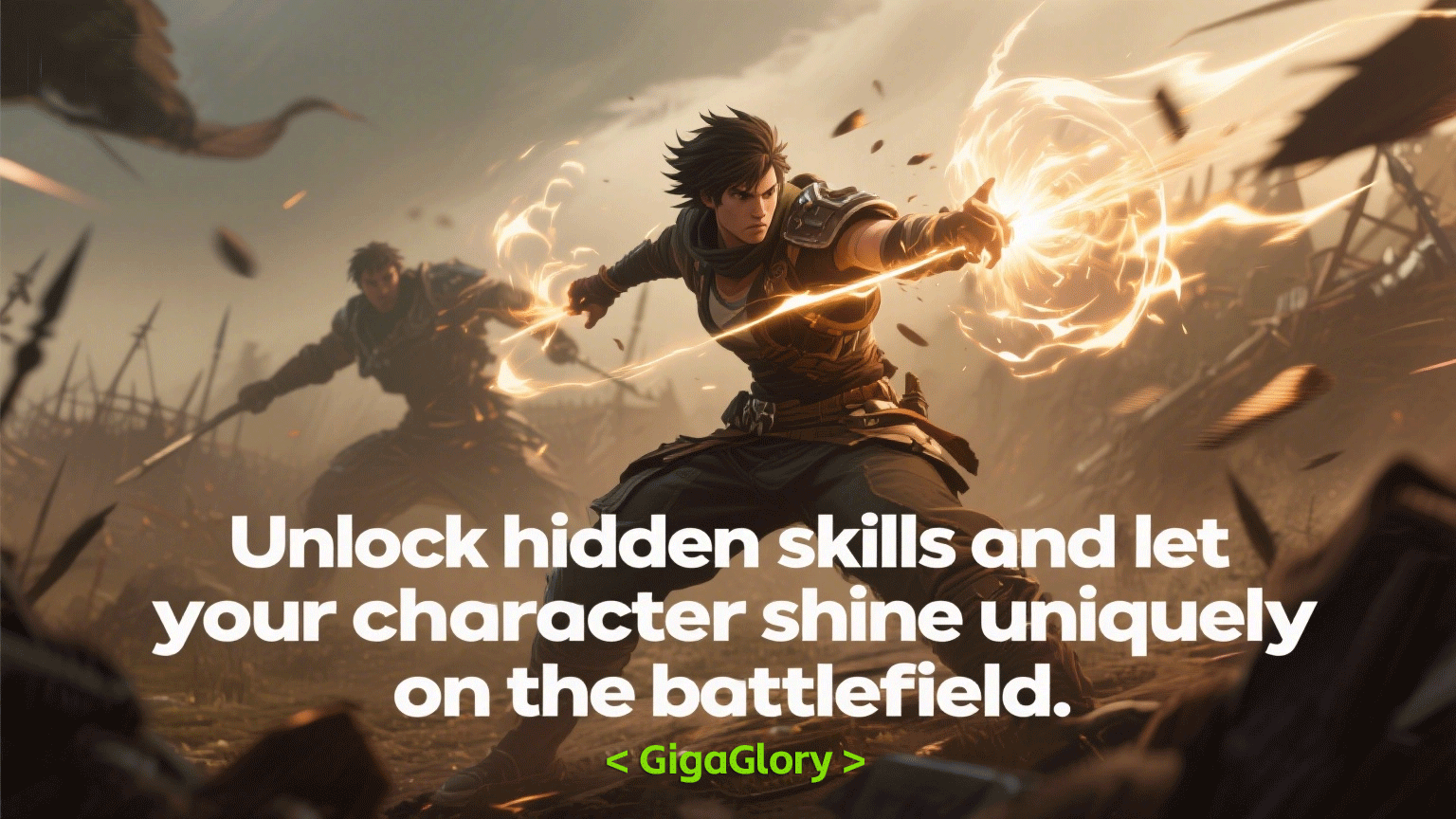
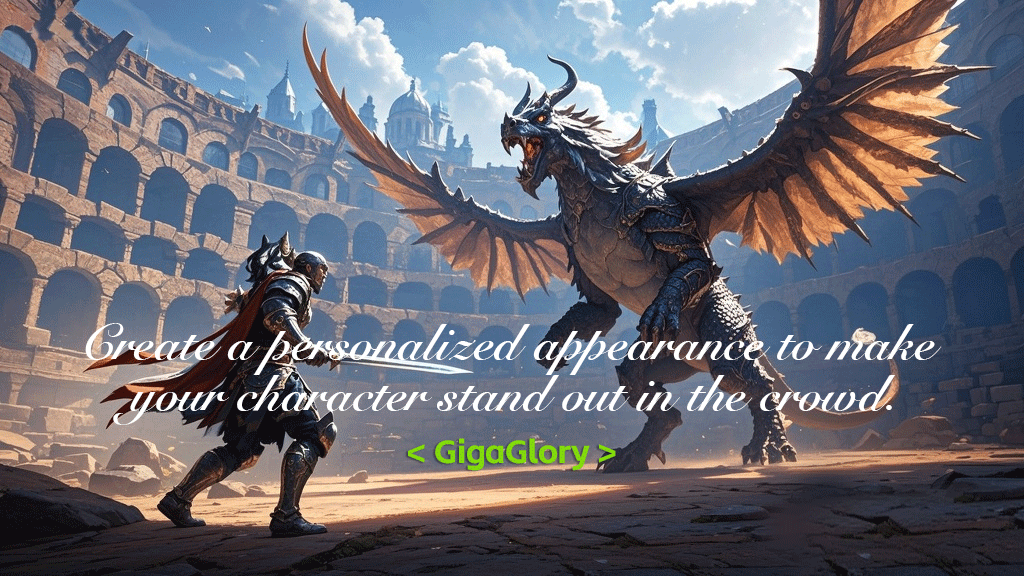
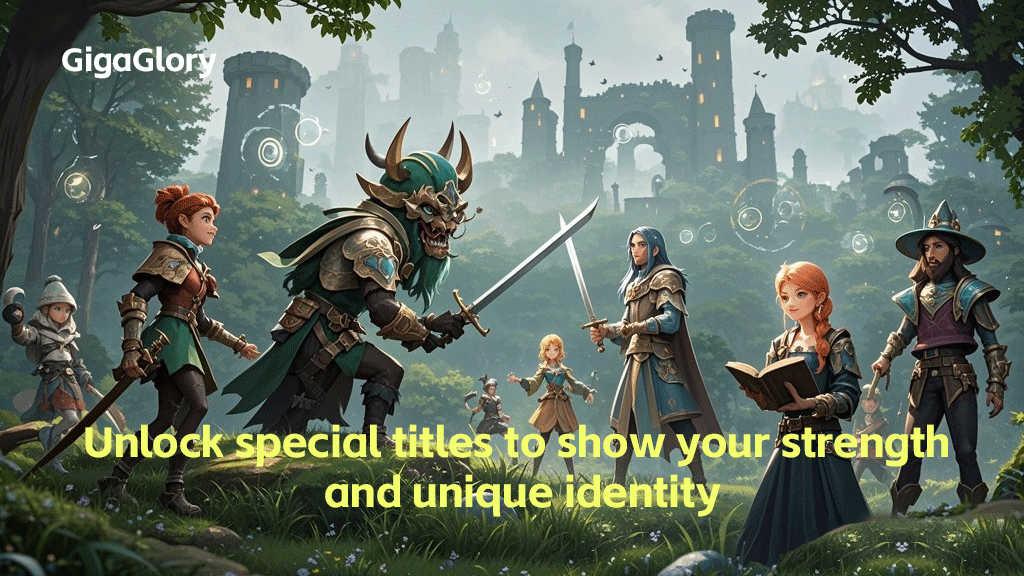
- Customizable Characters: Players can create avatars that reflect their individuality.
- Dynamic Storylines: Decisions affect the plot, leading to multiple outcomes.
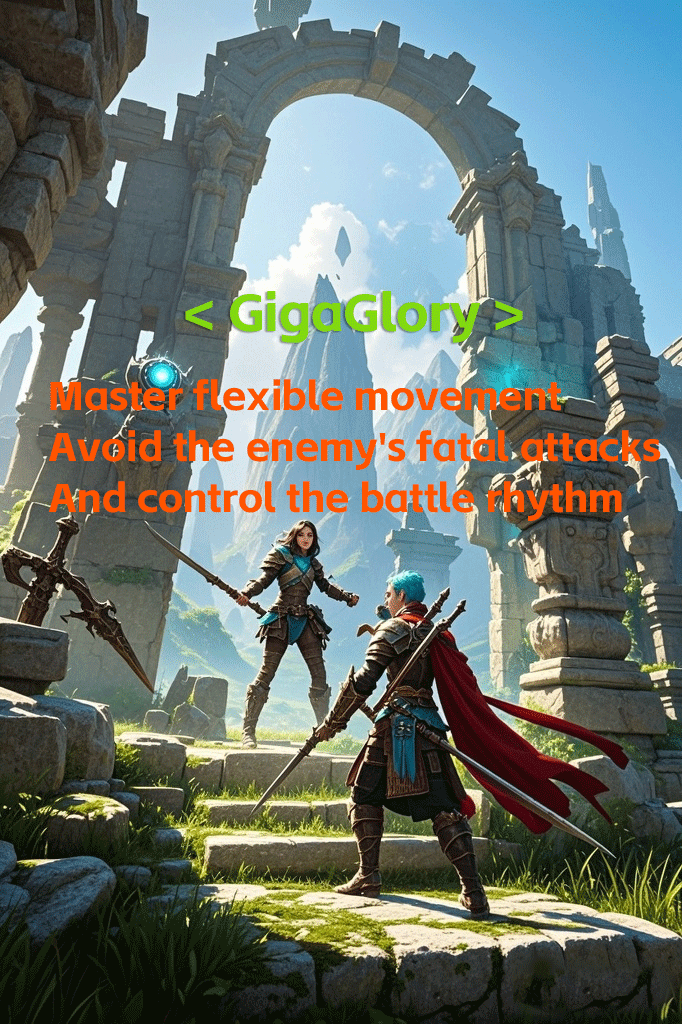
- Open-World Exploration: Players are encouraged to explore and interact with their surroundings.
- Engaging Quests: Missions that often include puzzles and moral dilemmas.
The Role of Storytelling in RPGs
Storytelling is at the heart of RPG games. Unlike linear narratives in traditional games, RPGs weave intricate plots that involve player choices. The interaction between players and the game world creates an evolving story that can drastically change based on the player's actions.
Psychological Benefits of Role-Playing
By stepping into another character's shoes, players can explore different facets of their personality. This can foster empathy, as players face challenges and decisions that might differ from their real life. Engaging in RPGs can serve as a therapeutic outlet, providing players with a safe space to navigate emotional issues.
How Creative RPGs Encourage Problem-Solving
Through quests that require strategic thinking, players often find themselves developing problem-solving skills. For instance, a player might need to devise a Clash of Clans attack strategy to defeat an enemy clan while managing resources in their base. This complexity keeps players engaged and enhances cognitive development.
Creative Narrative and Player Agency
One of the standout features of RPGs is player agency. Gamers are not mere spectators; they’re active participants. Narratives are shaped by the choices players make, providing a sense of agency that’s increasingly rare in other media forms.
Community and Collaboration in RPGs
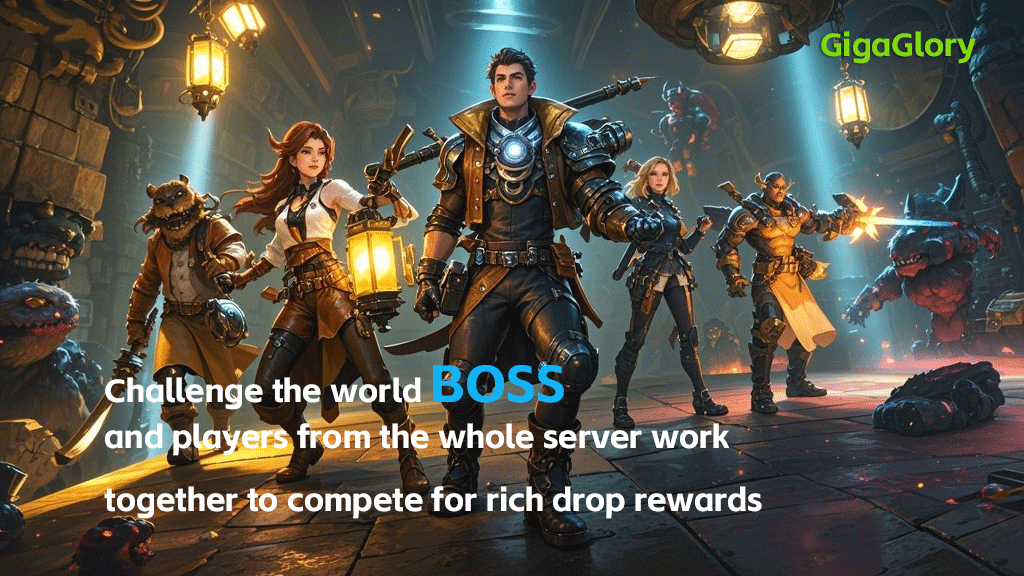
Multiplayer RPGs, in particular, foster community through collaboration. Players often join forces to face challenges or complete quests which enhances the narrative experience. This community aspect can extend to sharing strategies or stories of their in-game adventures on platforms like Discord or Reddit.
The Future of RPG Storytelling
As technology advances, so does the potential for RPGs to tell stories in innovative ways. Virtual Reality (VR) and Augmented Reality (AR) are just the beginning. Imagine immersing yourself in a game where you can interact with characters in real-time, affecting the story as you go.
The Role of Feedback in Game Development
Developers are increasingly seeking feedback from the gaming community. This two-way communication helps refine gameplay elements and narrative frameworks according to players' experiences and desires, leading to richer, more engaging stories.
Conclusion
Creative RPG games are more than just a means of entertainment; they are a transformative medium for storytelling. With their focus on player agency, immersive narratives, and community engagement, these games stand to reshape how we understand narratives in gaming and beyond. As players continue to explore the depths of their imagination, the implications for storytelling in RPGs are boundless.













| Feature | Description |
|---|---|
| Customizable Characters | Create unique avatars |
| Dynamic Storylines | Multiple outcomes based on player choices |
| Open-World Exploration | Freedom to explore and interact |
| Engaging Quests | Puzzles and moral dilemmas |